Timer selection
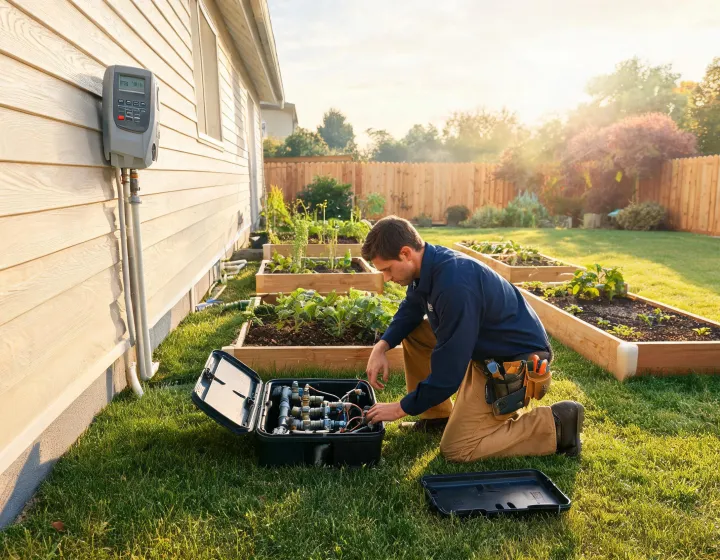
Choose a hose timer, in-ground controller, or Wi-Fi compatible unit by station count, access to power, and how often the schedule needs to change.
Service Approach
Orbit service guidance starts with the shape of the yard, not with a generic product list. A narrow parkway strip, a full-sun lawn, a shaded shrub border, a vegetable bed, and a group of patio containers all need different run times, flow rates, spray patterns, and service access. The goal is to help homeowners, retailers, and landscape teams connect the right timer, valve, sprinkler head, drip emitter, hose tool, and fitting without turning a simple weekend project into a confusing parts hunt. We keep the language direct, the sequence practical, and the product choices tied to the way water actually reaches the root zone.
Four Service Lanes
Choose a hose timer, in-ground controller, or Wi-Fi compatible unit by station count, access to power, and how often the schedule needs to change.
Match gear drives, oscillating sprinklers, impact heads, or precision arc nozzles to the width, shape, and wind exposure of the watering area.
Build a low-pressure run with tubing, emitters, filters, and adapters that can reach beds and containers without overspray on paths or walls.
Identify common valve diaphragms, couplers, risers, and washers before a leak or weak zone turns into repeated trial-and-error trips.
This service model is intentionally compact. It gives retail staff, homeowners, and maintenance crews a shared vocabulary for station count, gallons per minute, pressure regulation, spray arc, emitter spacing, and seasonal run time. When those basics are clear, the parts list becomes shorter and the installation path becomes easier to explain.
Case Highlight
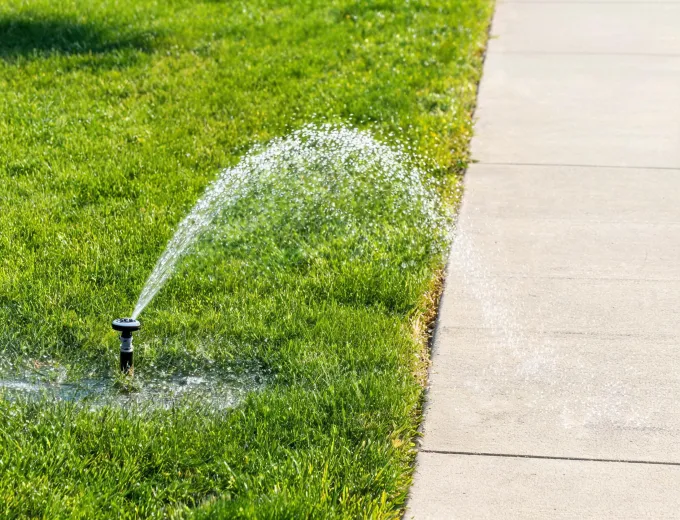
A common service issue is a strip of turf that receives too much water near the sidewalk and too little near the fence. Orbit guidance treats that as an arc and runtime problem first. The recommended path is to check available pressure, select heads with repeatable adjustment, shorten the throw near pavement, then place the timer schedule after coverage is verified. The parts are simple, but the sequence prevents the homeowner from using longer runtimes to compensate for a poor pattern.
Case Highlight
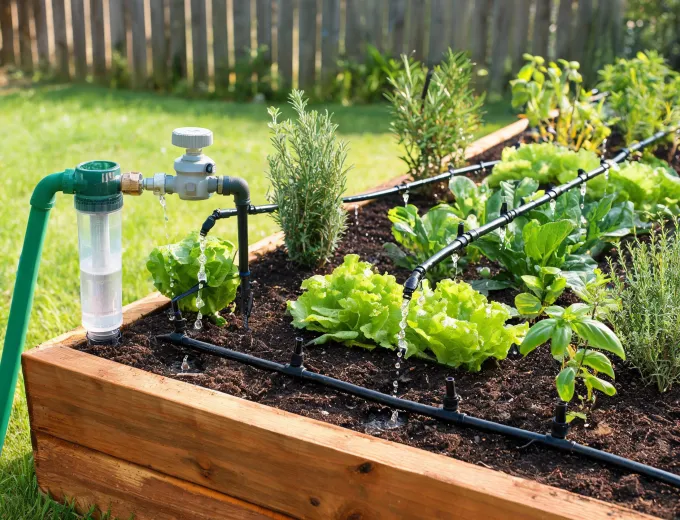
Raised beds are rarely static. Lettuce, tomatoes, herbs, and flowers move through different root depths and spacing as the season changes. The Orbit service path separates the supply line from the emitter layout so a gardener can keep the timer and filter stable while moving emitters as the planting plan changes. This makes the bed easier to maintain and reduces the temptation to overwater the entire box just because one corner looks dry.
Get Oriented
Tell us whether the issue is timing, reach, pressure, drip layout, or replacement parts. The more specific the zone, the cleaner the recommendation.